Espresso Machine Delivered in Freezing Weather: Wait Before Use
Bring it inside, leave it unplugged and let it warm to room temperature. Your manual sets the wait. If it does not, contact the maker before you power the machine on.
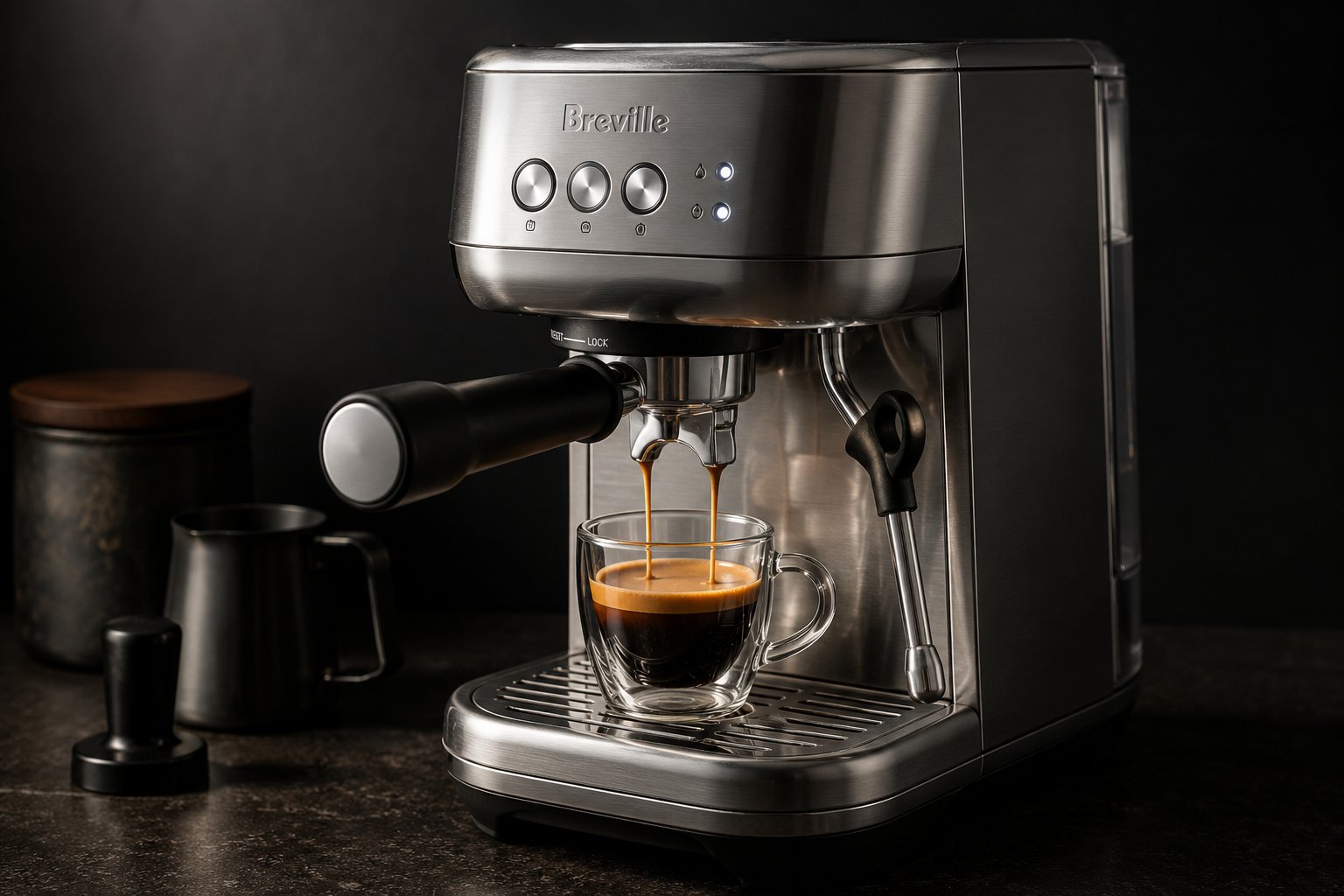
Affiliate disclosure: CoffeeGear is reader-supported. When you buy through links on our site, we may earn a commission at no extra cost to you. We don't list prices because they change, so check the current listing and the seller's return window before you order.
If your espresso machine arrived after a night on a cold porch or in a freezing truck, do not plug it in yet. Bring it indoors, leave it unplugged and let it come up to room temperature. The manual is the authority on how long: some state a minimum wait, and some say nothing, in which case the maker or seller can tell you.
The reason is water. An espresso machine holds a small amount in its pipes, valves and boiler even when it looks dry, and water that freezes expands. A machine that has been cold is not necessarily damaged, but powering it on before it has warmed and been checked is the step that can turn a frozen part into a failed one.
What cold can do to a machine
Jon Ferguson, writing for Barista Magazine Online in January 2025, notes that water expands by about 9 percent as it freezes, and that residual water in a machine's lines can cause damage even after the boilers are drained. He lists the parts most at risk: the pressure gauge, whose tiny tubes are often the first to break; solenoid valves, where leftover water has little room to expand; heat exchangers and heating elements; and, in extreme cases, boilers and group heads. Some fittings may swell slightly and drip.
That article is aimed at prosumer machines and prevention, and it gives no after-the-fact steps. The same logic applies to any water-carrying machine, which is why makers tell owners to keep machines where they will not freeze. KitchenAid's support page says to use and store its espresso machine where it will not freeze, because some water stays inside and freezing can damage the product. A Gaggia Anima manual says not to keep the machine below 0 degrees Celsius (32 degrees Fahrenheit) because water left in the heating system may freeze.
How long to wait
There is no universal number. Manuals differ, and many do not say anything about it. One budget espresso machine manual (the Delimano Deluxe) states that after transport or storage at low temperature the unit should sit for at least three hours at room temperature before use. That is one maker's instruction for one machine, not a rule for all of them.
- Find your manual first. Look under "before first use" and "storage" for any wait time.
- If it names a time, follow it. Treat that as the minimum.
- If it is silent, ask. The maker's support line or the seller can confirm what they recommend. KitchenAid's own page, for example, directs owners to contact the maker about use after cold exposure.
- When in doubt, wait longer. A longer wait costs you a day of coffee. Powering on early is the risk.
Do not speed it up with a heater or a hair dryer. Let the room do the work.
Look it over before you plug in
Once the machine has warmed, check it with the power still off. You are looking for signs that something has cracked or shifted.
- A cracked or clouded water tank, a loose lid, or a cracked drip tray
- A damaged pressure gauge glass or a gauge needle resting in an odd place, if the machine has one
- Wet patches, drips or residue inside the packaging or under the machine
- A damaged cord or plug, or a dented case
- Loose or cracked fittings you can see, such as the steam wand or hot-water outlet
Take photos if you see anything unusual, and keep the packaging. Many sellers and carriers need both to process a damage claim. If anything looks wrong, stop there and contact the seller and the maker; do not plug it in to see whether it works.
The first run
If the machine looks sound, follow your manual's first-use steps: rinse the tank, fill it with the water the manual specifies and run water through the machine as it instructs. While it runs, watch the underside and the surface beneath it for drips. Stay close for the first few cycles, and switch the machine off at once if something leaks, hisses or smells wrong.
A small silicone mat or tray under the machine for the first week is cheap insurance for the counter, and it makes a slow drip easy to spot. Keep the receipt and the box until you are sure it works.
A silicone mat or catch tray
Placed under the machine, it protects the counter and makes a slow leak visible. Check that it is heat-safe and sized to fit.
A small room thermometer
A simple indoor thermometer helps you confirm the room is warm where the machine sits. It is not a substitute for the manual, and it is useful for any gear that arrives cold.
Grinders, kettles and other gear
Grinders and kettles hold far less water, but cold gear brought into a warm room can collect condensation on and inside it. Let electrical gear warm up fully and dry out before you switch it on, and read the manual for anything it says on storage temperature. Check hoppers and plastic parts for cracks before you use them. Hand grinders have no electrical parts, but metal burrs and housings that are cold and damp should still be dried before you grind.
Prevent it next time
- Choose how it arrives. In winter, pick a delivery option that puts the box in your hands, such as a signature, a pickup point or a delivery to work, rather than leaving it on a doorstep.
- Ask used sellers how it was stored. A used machine that sat in an unheated garage deserves a closer look. See how to test a used machine and what to inspect before you bid.
- Check the return window. A machine that arrives cold needs time to warm up and be tested, so read the return terms in the buying checklist before you order.
- Buying it as a gift? Time the delivery so someone is home to receive it. The add-on guide for new machine owners covers what to buy to go with it.
When shipping a machine you are selling, drain it as the manual advises first. Seattle Coffee Gear's packing guide says to drain the boiler before transporting a machine that could freeze, and it refers readers to the user manual for anything after that.
Frequently asked questions
How long should an espresso machine warm up after a cold delivery?
Follow your manual. One budget machine manual says at least three hours at room temperature, but there is no universal figure. If your manual is silent, ask the maker or the seller.
Can I plug in an espresso machine that arrived frozen?
Not straight away. Let it warm to room temperature, inspect it with the power off, and follow the manual before you plug it in.
What parts of an espresso machine are damaged by freezing?
Water left in the machine can freeze and expand. Pressure gauges, solenoid valves, heat exchangers, heating elements, boilers, group heads and fittings can all be affected.
What if my grinder was delivered in freezing weather?
Let it warm to room temperature and dry out before you switch it on, check hoppers and plastic parts for cracks, and read the manual for any storage guidance.
What should I do if I find a leak or crack?
Switch it off, unplug it, keep the packaging and photos, and contact the seller and the maker for a return, repair or replacement.
- Jon Ferguson, Barista Magazine Online (January 20, 2025), how freezing temperatures can damage espresso machines: about 9 percent expansion of freezing water, residual water after draining, and the parts at risk. The article gives no post-exposure steps.
- KitchenAid product help, espresso machine winter storage: use and store where it will not freeze; some water remains inside; contact KitchenAid about use after exposure.
- Delimano Espresso Coffee Machine Deluxe user manual: at least three hours at room temperature after transport or storage at low temperature, and not to be kept below 0 degrees Celsius.
- Gaggia Anima user manual (120V): do not keep the machine below 0 degrees Celsius (32 degrees Fahrenheit); water in the heating system may freeze.
- Seattle Coffee Gear, how to package your machine for shipping: drain the boiler before transporting a machine that could freeze; follow the user manual afterwards.
- No universal wait time is claimed. Wait times, storage limits and first-use steps differ by machine, so confirm them in your own manual or with the maker.